


Infidelity, Paternity, & Divorce
Infidelity can shatter trust, but when questions about a child’s paternity arise during a divorce, the situation becomes even more complex. In California, DNA testing may be available to determine biological parentage, but the law draws an important distinction between biological paternity and legal paternity. That means the answers aren’t always as simple—or as final—as people expect. Understanding how California courts handle paternity disputes tied to infidelity is essential for protecting your rights and your relationship with the child involved.
Infidelity, Paternity, & Divorce
Infidelity can shatter trust, but when questions about a child’s paternity arise during a divorce, the situation becomes even more complex. In California, DNA testing may be available to determine biological parentage, but the law draws an important distinction between biological paternity and legal paternity. That means the answers aren’t always as simple—or as final—as people expect. Understanding how California courts handle paternity disputes tied to infidelity is essential for protecting your rights and your relationship with the child involved.
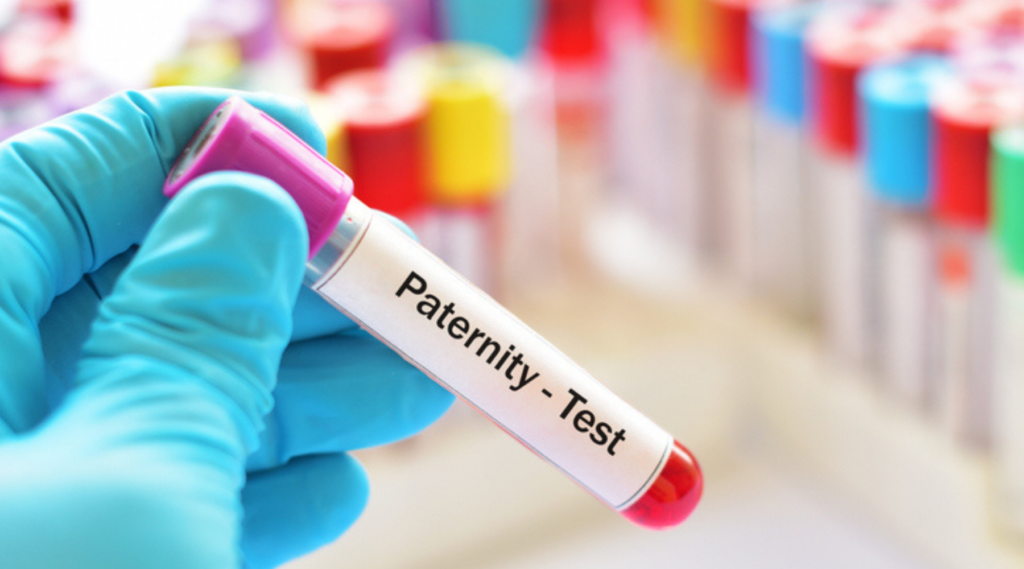
When paternity questions surface, clarity matters. Protect your rights and make informed decisions before emotions drive the outcome
California is a no-fault divorce state, meaning that the reasons why a married couple decides to end their relationship may not significantly influence the outcome of the divorce, even if they are profoundly troubling. Discovering infidelity, in particular, can destroy trust between spouses, whether it is the primary cause of their marital troubles or simply a symptom of a deteriorating relationship. In some California paternity and infidelity divorce cases, the situation becomes even more complicated when adultery occurs around the time a child is conceived or born, raising questions about the child’s biological parentage.
If you suspect infidelity and are unsure about your child’s paternity, you may have the right to have that question answered through DNA testing during divorce proceedings. Because the law differentiates between biological paternity and legal paternity, however, discovering that you are not the biological father of a child you thought was yours does not automatically end the parental relationship. The law is complex, as are the emotional issues involved, and the assistance of an experienced family law firm is essential to successfully navigate them.
What You’ll Learn In This Post:
- How Does Infidelity Complicate Divorce Cases in California?
- Can You Request a Paternity Test During Divorce Proceedings?
- What Are the Legal Differences Between a Biological Father and a Legal Father?
- How Do Custody and Support Work If Paternity Is in Question?
- What Legal Steps Should You Take If You Suspect Infidelity and Have Paternity Concerns?
- Why Should You Work with an Experienced Family Law Firm in Paternity Disputes?
- Frequently Asked Questions
How Does Infidelity Complicate Divorce Cases in California?

The fact of infidelity alone does not necessarily alter how questions of property division, spousal or child support, or child custody are decided in a California divorce. However, a spouse’s actions in the conduct of the affair may have an effect. For example, if a spouse squandered significant marital assets on their affair partner, a judge may award the other spouse a greater share of what’s left during property division. Similarly, if the unfaithful spouse exposed their children to unsafe environments or behavior, or abused or neglected them as a result of the affair, the court is likely to reduce their share of custody.
In some California paternity and infidelity divorces, an adulterous affair may also raise painful questions about whether a child of the marriage was fathered by the husband. According to California law, a man is presumed to be the father of a child born to his wife during their marriage (or within 300 days after the end of the marriage), which establishes that they are the child’s legal parent. Their parental rights and responsibilities are conferred by that legal relationship and not necessarily by the facts of their biological relationship to the child.
As Minor’s Counsel Constance Carpenter notes, “Infidelity is not a crime. It’s only an issue if there’s a child born and you think the child might not be yours. Statutes used to be that you bring this issue up within 2 years or it’s too late. You can’t wait until 15 years old and the mom wants child support, because that’s not fair to the child.”
Can You Request a Paternity Test During Divorce Proceedings?
If the paternity of a child is in doubt, a parent can request a paternity test during divorce proceedings by filing form FL-300; as long as there is a reasonable basis for the request, the court is likely to grant it. A court will not accept the results of outside genetic testing (such as 23andMe or AncestryDNA kits) for contesting parentage.
As noted above, however, California’s Family Code does not require that married fathers prove their biological relationship to their children under ordinary circumstances, and the results of an official DNA test alone will not change the legal relationship between father and child. Further legal action would be needed if the father wished to give up their rights and end their obligations to the child.
What Are the Legal Differences Between a Biological Father and a Legal Father?

The difference between a biological father and a legal father in California is that the former describes the genetic relationship, while the latter refers to the rights and responsibilities a father has toward their child. A man who is a biological father does not necessarily have a legally recognized relationship with their child unless they are the presumed parent or paternity has been established.
A legal father has the right to seek custody and visitation and decision-making authority over important aspects of their child’s upbringing, such as education and medical treatment. They’re also responsible for providing child support, and their children can inherit from them.
In short, legal fatherhood is what confers the rights that allow a man to raise a child as their own, regardless of the biological relationship. Consider a paternity case we had involving a married couple who had separated. While they were estranged, the wife had a child with another man. When the couple reconciled, they wanted to raise the child together as their own, even though the husband was not the biological father. In this instance, a court order was necessary to establish his legal parentage to allow them to do so.
How Do Custody and Support Work If Paternity Is in Question?
How child custody and support are impacted by paternity questions can depend on whether the parents were married when the child was born or not. In situations where the parents were unmarried, paternity must first be legally established (either through a voluntary declaration if the parents agree or by court order if not) before the court can decide on matters of custody and support.
If the parents were married when the child was born, then the father is already presumed to have legal paternity, giving him the right to seek custody and possibly the obligation to pay support, depending on the parents’ relative incomes. If he is unsure about his paternity, he is still required to pay any court-ordered support and adhere to existing custody orders while any legal actions to challenge paternity are pending.
What Legal Steps Should You Take If You Suspect Infidelity and Have Paternity Concerns?
If you suspect infidelity and have concerns that you are not the biological father of your child as a result, the first legal step you should take is to consult a knowledgeable family law attorney. Parentage laws are extremely complex, and attempting to disestablish previously recognized legal paternity can be difficult. California’s Family Code also sets strict time limits on when paternity can be challenged, making timely action of the essence.
The next step would be to request court-ordered DNA testing to confirm your suspicions regarding your child’s genetics. If biological evidence backs up your hunch and you wish to try to terminate your parental relationship, you will need to petition the court to set aside your paternity.
Why Should You Work With an Experienced Family Law Firm in Paternity Disputes?
When infidelity brings a married father’s paternity into question during divorce, the combination of intense emotions and complicated legal issues can make legal missteps far more likely. Working with an experienced family law firm can help ensure that you understand the legal options available to you, whether you wish to preserve your legal parentage or want to try to cut ties completely.
At Hoover Krepelka, our expert family law attorneys understand the intricacies of the applicable law and the implications of paternity challenges in divorce cases. We can help safeguard your rights as well as the best interests of the children involved. To schedule your consultation, fill out the form below today.
Reach Out To Our Expert Attorneys Today
"*" indicates required fields
FAQS
Can you request a paternity test during a divorce in California?
Yes. Either spouse can request a paternity test during a divorce if there’s doubt about a child’s biological parentage, and the court can order testing to establish legal paternity before deciding custody or support.
How does suspected infidelity affect custody and support?
Infidelity usually doesn’t impact custody or support decisions in California, since the state is no-fault. However, if the affair involved financial misconduct or affected a child’s well-being, it may become relevant.
What happens if paternity is disputed during a California divorce?
If paternity is in question, the court may order genetic testing. Once results are confirmed, the legal father gains or loses parental rights and obligations, including custody and child support.